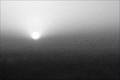
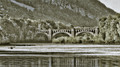
The entry consists of 2 snaps of the same basic scene, but one was shot from about a step to the left with a slightly different vertical tilt. The brightness of the exposures is different but the elapsed time between shots did not change the scene/sky. The second snap looked quite similar once I cropped it so I proceeded to overlay it. Later I became concerned that the framing in the originals was too far off for DPC standards and I was unsure whether the cropping legitimized the overlay (I don't usually combine exposures outside of expert editing challenges.) So I submitted my originals and processing steps a few days before rollover, stating my concern. My entry was not evaluated until after rollover.
Disqualification Details
You created an HDR image from what amount to two different views of the same scene, one considerably wider than the other. The rules for HDR processing specify that you must combine captures of the "same basic scene", and the "basic" modifier is there to allow for insignificant variations such as leaf or wave movement. We feel that when you zoomed to the wider framing that became a completely different image/scene for the purposes of this rule, so what you have here is more of a "double exposure" than an HDR merge.
Statistics
Views since voting: 1342 Views during voting: 240 Comments: 48 Favorites: 9 (view)
ha. wickeder than I thought. I LOVE/ADORE double exposures. They should be allowed. I think they are more PHOTOGRAPHIC than photos with textures added. a total work of the imagination made possible by the deft wield of the camera, blah blah blah, what is wrong with peeps...
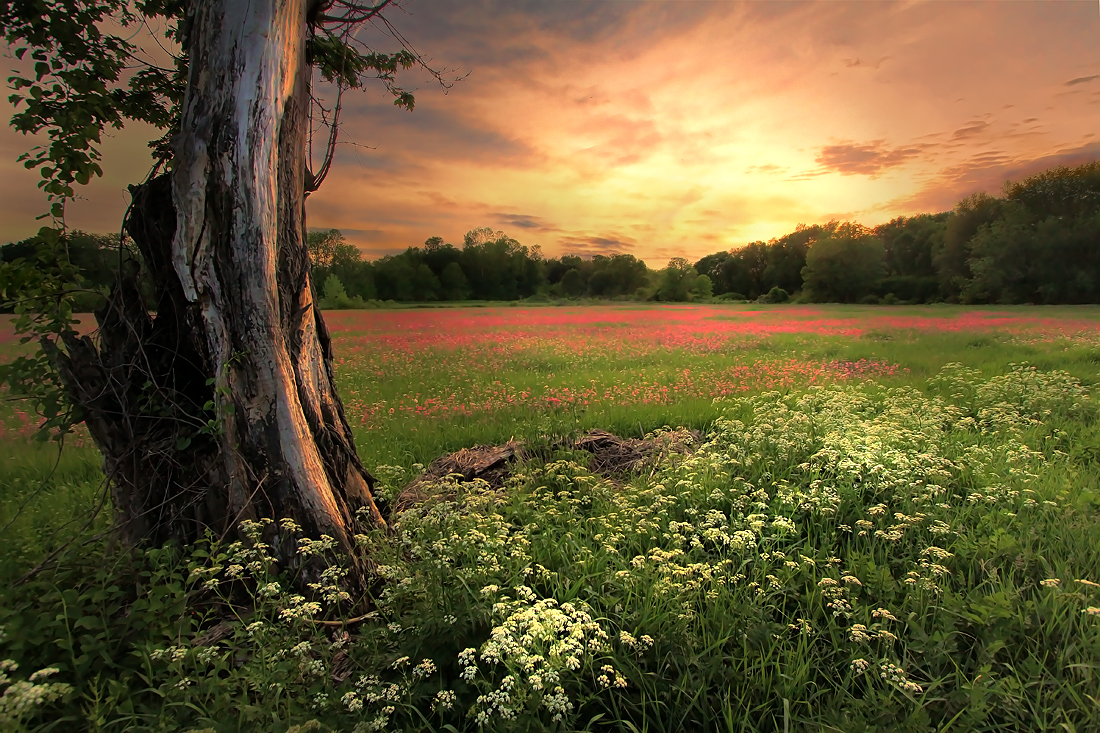
Gorgeous color, light, scene. I can never get fields of wildflowers like this - I can occasionally find them, but I can never translate them into a photo. Beautiful. 10
Magical! The strong foreground falls seductively back to the red splashes of blooms which, in turn, yield to that equally strong background. The prowess of your processing is magnificent. This deserves to ribbon. Best of luck.






 Add photograph to your favorites
 Add photographer to your favorites

 Photographer found comment helpful.


