| Author | Thread |
|
|
07/08/2003 05:00:03 PM · #1 |
Hi - as i'm pretty much a beginner to photography I havn't had much experience taking shots around other people, in cities and suchlike. I'm just about to upgrade from my (brilliant for what it is) Finepix 1400 to a Canon S50, and hope to have many more photo excursions in the near future.
My question is: When you guys and gals take photos where people from a substantial part of the shot, or are the subject of it, do you tend to ask permission before snapping away? Or will most people just carry on as usual if you don't ask? My thinking is that i'd rather not make a nuisance, and capture the moment as if I wasn't there ... but if this is impolite then clearly i'll start asking!
Cheers for any advice,
Al. |
|
|
|
07/08/2003 05:05:11 PM · #2 |
As long as it is a public place and you're not using the photo for commercial purposes you don't need permission. Depending on the situation, sometimes you may want to ask just to be polite.
|
|
|
|
07/08/2003 05:13:30 PM · #3 |
Geds,
What does it hurt to ask? Most people are polite and seem a little flattered that you ask to take their photograph.
What would you prefer if I were to point my camera at you?
Bob
|
|
|
|
07/08/2003 05:32:26 PM · #4 |
On the flip side, if you are trying to capture a moment, shoot away. Candids and street photography aren't well suited to asking.
|
|
|
|
07/08/2003 06:18:46 PM · #5 |
Originally posted by mavrik:
On the flip side, if you are trying to capture a moment, shoot away. Candids and street photography aren't well suited to asking. |
You can always approach after taking a photo. |
|
|
|
07/08/2003 06:20:37 PM · #6 |
Originally posted by OneSweetSin:
Originally posted by mavrik:
On the flip side, if you are trying to capture a moment, shoot away. Candids and street photography aren't well suited to asking. |
You can always approach after taking a photo. |
If you may sell it, sure. If you want it just because you like street (like me) or because you wish to use it in altered form in another way, I don't usually bother. It's just asking for trouble and hassle from someone who may ask you to delete it.
|
|
|
|
07/09/2003 01:11:09 PM · #7 |
Hi
Since I'm a lawyer and pleaded that case up to the Supreme Court of Canada (highest court in the country) I can tell you that you normally have to ask permission before shooting. As mentioned by another, it might be too late for the picture doing so. In such situation, shoot and ask after. Of course, if the picture is to stay in your portfolio and not for broadcasting at all, then no one will ever suffer any damages from such shooting, then you don't need a permission. If you were to take a picture of someone without his consent and broadcast it in any manner, you could be sued for non-authorized used of one's image. Whether you take the photography in a public place or not is not relevant. One owns his/her rights to privacy and image wherever he/she stands unless he/she takes part of a public event (sport, news, strikes, accident, etc...). At least, I can say for sure this is the state of the law in Canada. Hope that helps.
|
|
|
|
07/09/2003 01:15:18 PM · #8 |
Then how come the paparazzi are able to get away with the crap they pull. They shoot non-event stuff all the time and then publish it for a profit. Whats the deal Nathaliedoo??
Originally posted by nathaliedoo:
Hi
Since I'm a lawyer and pleaded that case up to the Supreme Court of Canada (highest court in the country) I can tell you that you normally have to ask permission before shooting. As mentioned by another, it might be too late for the picture doing so. In such situation, shoot and ask after. Of course, if the picture is to stay in your portfolio and not for broadcasting at all, then no one will ever suffer any damages from such shooting, then you don't need a permission. If you were to take a picture of someone without his consent and broadcast it in any manner, you could be sued for non-authorized used of one's image. Whether you take the photography in a public place or not is not relevant. One owns his/her rights to privacy and image wherever he/she stands unless he/she takes part of a public event (sport, news, strikes, accident, etc...). At least, I can say for sure this is the state of the law in Canada. Hope that helps. |
|
|
|
|
07/09/2003 05:10:38 PM · #9 |
Originally posted by Diversq:
Then how come the paparazzi are able to get away with the crap they pull. They shoot non-event stuff all the time and then publish it for a profit. Whats the deal Nathaliedoo?? |
Freedom of press
|
|
|
|
07/09/2003 09:11:10 PM · #10 |
Apparently, if you're famous, you have different privacy rights.
A summary of the law in Canada, after the Aubrey case (which may be the one Nathalie argued in Quebec) found on this website //www.advertisinglawyer.ca/news-mag-1998-08.htm said the following about the case:
The majority of the Supreme Court said that "if the purpose of the right to privacy...is based on...the control each person has over his or her identity... this control implies a personal choice." The choice that one has would be the choice to not have their image published. The Court continued: "(there is) an infringement of the person's right to (privacy)...as soon as the image is published without consent and enables the person to be identified."
The Court then noted that a person's right to privacy is not absolute. Examples given by the court where a person's photo could be published without consent are where one is "engaged in a public activity, or has acquired a certain notoriety", or those whose professional success depends on public opinion or where "a previously unknown individual is called on to play a high-profile role in a matter within the public domain, such as an important trial, a major economic activity having an impact on the use of public funds, or an activity involving public safety."
The Court then went on to reject a body of law that exists in this area in the United States. That US law states that the publication of a photo without consent is permitted if it serves a "socially useful" purpose. To this, the Supreme Court of Canada stated:
"a photograph of a single person can be 'socially useful' because it serves to illustrate a theme. That does not make its publication acceptable, however, if it infringes the right to privacy. We do not think it appropriate to adopt the notion of 'socially useful' for the purpose of legal analysis."
The Supreme Court of Canada also refused to accept the argument that the public has an absolute interest in seeing any work of art. The Court said that in assessing a matter, the artist's right to publish their work must be taken into consideration, but so too must the subject's right not to consent.
The Court also rejected the notion that the right to publish a photograph ought to be given precedence over the individual's right to remain private due to the logistical difficulties in obtaining consent:
"to accept such an exception would, in fact, amount to accepting the photographer's right is unlimited, provided that the photograph is taken in a public place, thereby extending the photographer's freedom at the expense of others. We reject this point of view. In (this) case, (Aubrey's) right to protection of her image is more important than the (photographer's) right to publish the photograph...without first obtaining her permission."
Apparently we Canucks can't do as our US neighbours can. *sigh*
|
|
|
|
07/09/2003 09:25:29 PM · #11 |
|
I was asking this myself. I have recently taken I photo I love, on the train (so much for anonymous competition). I don't know the guy. I didn't ask him. There was a strong chance his English wasn't the best, so I didn't want to start telling the guy about how I was taking his picture. I just tried to do it discretely. I think if I tried to sell it, and he or his family noticed, there might be a problem. So I guess its a problem if the subject has a chance to make it a problem |
|
|
|
07/09/2003 09:27:26 PM · #12 |
Originally posted by frisca:
Apparently we Canucks can't do as our US neighbours can. *sigh* |
Incorrect. We can take the picture. You can take the picture. We cannot sell it. You cannot sell it. The problem in this case above was that the photog sold it and made profit and it was widely distributed. The problem wasn't snapping a shot, but the problem was making money on someone else without their consent or even knowledge.
M
|
|
|
|
07/09/2003 09:29:44 PM · #13 |
well, the SCC seemed to be citing a body of law in the US that allows socially "useful" pictures to be published without consent, but as that is a legal determination, its probably best to get the consent if you mean to publish to be on the safe side. What you think is socially useful may not be in the court's eyes.
|
|
|
|
07/11/2003 11:34:32 PM · #14 |
Good question! The thing is that public personalities are not as much protected as quidams (you and me). Depending on the countries, since their life influence the public in some sort of way, what they do in everyday life seems to be of public concern. But remember that paparazzi get paid more for their photos then what lawsuits cost them even when they are condem to pay damages!!!
Nathalie
Originally posted by Diversq:
Then how come the paparazzi are able to get away with the crap they pull. They shoot non-event stuff all the time and then publish it for a profit. Whats the deal Nathaliedoo??
Originally posted by nathaliedoo:
Hi
Since I'm a lawyer and pleaded that case up to the Supreme Court of Canada (highest court in the country) I can tell you that you normally have to ask permission before shooting. As mentioned by another, it might be too late for the picture doing so. In such situation, shoot and ask after. Of course, if the picture is to stay in your portfolio and not for broadcasting at all, then no one will ever suffer any damages from such shooting, then you don't need a permission. If you were to take a picture of someone without his consent and broadcast it in any manner, you could be sued for non-authorized used of one's image. Whether you take the photography in a public place or not is not relevant. One owns his/her rights to privacy and image wherever he/she stands unless he/she takes part of a public event (sport, news, strikes, accident, etc...). At least, I can say for sure this is the state of the law in Canada. Hope that helps. |
|
Message edited by author 2003-07-11 23:45:32. |
|
|
|
07/11/2003 11:44:24 PM · #15 |
Originally posted by frisca:
Apparently, if you're famous, you have different privacy rights.
A summary of the law in Canada, after the Aubrey case (which may be the one Nathalie argued in Quebec) found on this website //www.advertisinglawyer.ca/news-mag-1998-08.htm said the following about the case:
|
Indeed, this is the case I'm referring to. You can read the whole judgment at
//www.lexum.umontreal.ca/csc-scc/cgi-bin/disp.pl/en/pub/1998/vol1/html/1998scr1_0591.html?query=%22versa%22&langue=en&selection=&database=en/jug&method=all&retour=/csc-scc/cgi-bin/srch.pl?database=en%2Fjug~~query=versa~~language=en~~method=all
I'm cited as attorney for the respondent, who was Miss Aubry.
The key to know if you have to ask or not is:
Will you sell or distribute the photo? If YES, you need an authorization.
Is the person taking part in some public event (no matter if this happens in a public place or not - but it is difficult to imagine doing somthing regarding the public in a private place I admit. I can only think of something like a crime or some illegal action - which is considered against the society)? If NO, you need an authorization.
|
|
|
|
07/11/2003 11:49:27 PM · #16 |
Geds, I say: Shoot first and ask questions later. :)
If your subject's face is showing and is the main/prominent subject of the photo, it's probably the right thing to do to ask them if you can use it. People will appreciate that for the most part... the others will freak out and ask a Cop to take your CF card however. :D
And if you intend to sell the pic as part of a business, you should also make a deal or whatever with the subject(s). That's only fair. |
|
|
|
07/12/2003 12:01:37 AM · #17 |
|
I actually just avoid dealing with the subject-- because I'm just doing it for the hobby. If I suspect that English is not the first language for someone, I am probably less likely to let them know, because it is already hard to explain why I am doing it. Yesterday I asked a shop owner if I could take a photo of their hundreds of rolls of strings (an array of colours) in a tailor (no person in the shot) and she panicked, called out her husband, and they started yelling at me. From now on, I'm just shooting and leaving . |
|
|
|
07/12/2003 01:08:47 AM · #18 |
I found this website that explains the laws in the U.S.:
//www.pdnonline.com/businessresources/modelrelease.html
|
|
|
|
07/12/2003 01:33:06 PM · #19 |
If someone pops-up on front of the camera I don't think you need any consent,unless someone is posing for you! .

Message edited by author 2003-07-12 14:15:03.
|
|
|
|
07/15/2003 01:12:12 PM · #20 |
Your photo (in this example) would not require an authorization since all subjects are not recognizable or identifiable.
Nathalie
Originally posted by pitsaman:
If someone pops-up on front of the camera I don't think you need any consent,unless someone is posing for you! .
|
|
|
|
|
07/15/2003 01:27:52 PM · #21 |
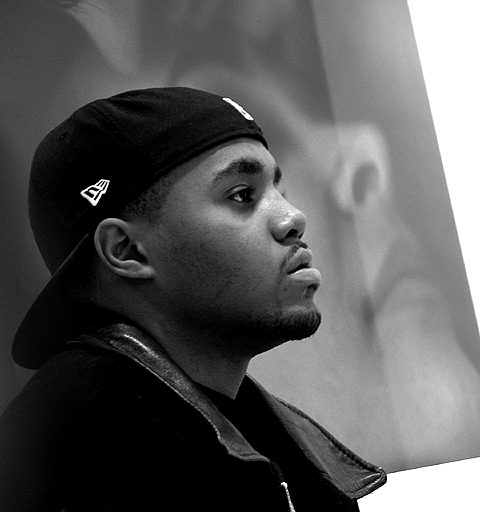
This image was a candid I took at Bloomingdale's in Washington DC. He was not aware I was taking his picture, although he was beginning to wonder after a couple of shots. I don't know who he was (he left when his girlfriend/wife returned from the bathroom. It is my second highest scoring photo here at DPC.
|
|
Theme:
Classic /
Light /
Dark
Home -
Challenges -
Community -
League -
Photos -
Cameras -
Lenses -
Learn -
Help -
Terms of Use -
Privacy -
Top ^
DPChallenge, and website content and design, Copyright © 2001-2026 Challenging Technologies, LLC.
All digital photo copyrights belong to the photographers and may not be used without permission.
Current Server Time: 09/25/2026 11:21:06 AM EDT.